Blog
Bunionettes: The Pinky Toe Bunions
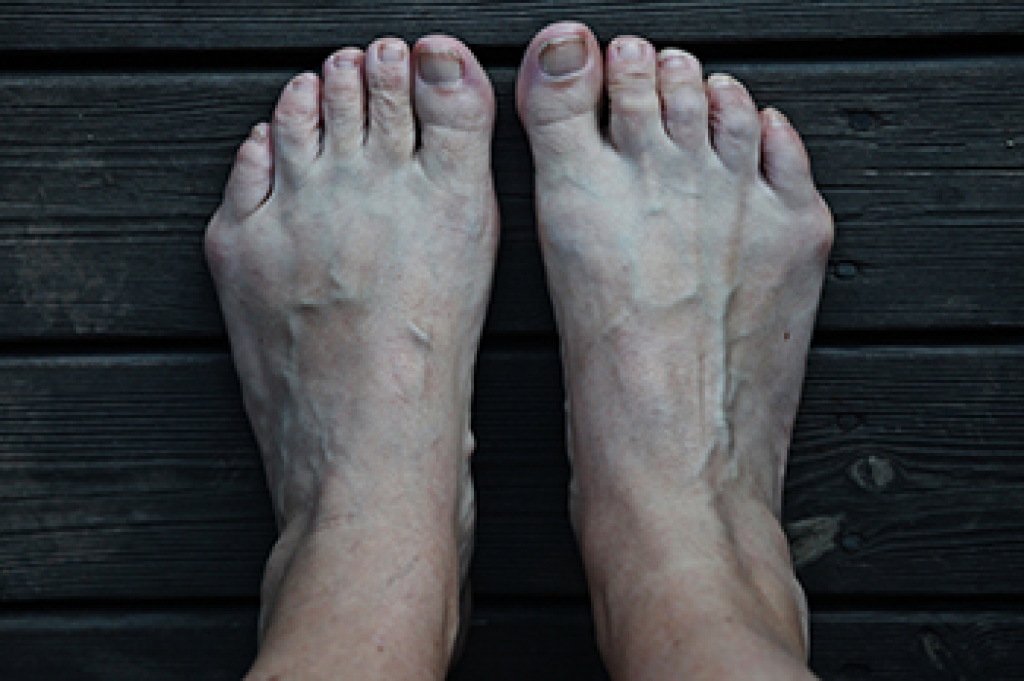
You may have heard of bunions, which sometimes pop up at the base of the big toe joint, but what is a bunionette? Bunionettes, also known as tailor’s bunions, are small, bony bumps that occur at the base of the pinky toe joints. Much like regular bunions, bunionettes can be painful, swollen, and red. Finding comfortable shoes that don’t rub up against the affected area may be difficult. Without treatment, bunionettes usually worsen over time. Fortunately, conservative treatments such as wearing wider shoes, a toe spacer, padding, and activity modifications, are often effective in managing the condition. Surgery to correct a bunionette may be beneficial for a smaller percentage of people. To learn more about bunionettes and what treatment methods are best for you, please consult with a podiatrist.
If you are suffering from bunions, contact one of our podiatrists of Nola Sole Podiatry. Our doctors can provide the care you need to keep you pain-free and on your feet.
What Is a Bunion?
A bunion is formed of swollen tissue or an enlargement of boney growth, usually located at the base joint of the toe that connects to the foot. The swelling occurs due to the bones in the big toe shifting inward, which impacts the other toes of the foot. This causes the area around the base of the big toe to become inflamed and painful.
Why Do Bunions Form?
Genetics – Susceptibility to bunions are often hereditary
Stress on the feet – Poorly fitted and uncomfortable footwear that places stress on feet, such as heels, can worsen existing bunions
How Are Bunions Diagnosed?
Podiatrists often perform two tests – blood tests and x-rays – when trying to diagnose bunions, especially in the early stages of development. Blood tests help determine if the foot pain is being caused by something else, such as arthritis, while x-rays provide a clear picture of your bone structure to your provider.
How Are Bunions Treated?
- Refrain from wearing heels or similar shoes that cause discomfort
- Select wider shoes that can provide more comfort and reduce pain
- Anti-inflammatory and pain management drugs
- Orthotics or foot inserts
- Surgery
If you have any questions, please feel free to contact our office located in New Orleans, LA . We offer the newest diagnostic and treatment technologies for all your foot care needs.

Signs of Tarsal Tunnel Syndrome
The tarsal tunnel is a narrow pathway in the ankle that serves as an opening for nerves, veins, arteries and tendons to pass through. When the tibial nerve gets squeezed or compressed in this opening, tarsal tunnel syndrome occurs. There are a variety of factors that can lead to this compression, such as a mass or cyst, swelling, trauma or an injury to the ankle, or rolling the ankle inward while walking. Patients who are experiencing tarsal tunnel syndrome will notice a burning foot pain as well as an aching, numbness or tingling sensation around the arch and sole of the foot. Patients who believe that they may have tarsal tunnel syndrome should consult with a podiatrist for a proper diagnosis and treatment.
Tarsal tunnel syndrome can be very uncomfortable to live with. If you are experiencing tarsal tunnel syndrome, contact one of our podiatrists of Nola Sole Podiatry. Our doctors can provide the care you need to keep you pain-free and on your feet.
Tarsal Tunnel Syndrome
Tarsal tunnel syndrome, which can also be called tibial nerve dysfunction, is an uncommon condition of misfiring peripheral nerves in the foot. The tibial nerve is the peripheral nerve in the leg responsible for sensation and movement of the foot and calf muscles. In tarsal tunnel syndrome, the tibial nerve is damaged, causing problems with movement and feeling in the foot of the affected leg.
Common Cause of Tarsal Tunnel Syndrome
- Involves pressure or an injury, direct pressure on the tibial nerve for an extended period of time, sometimes caused by other body structures close by or near the knee.
- Diseases that damage nerves, including diabetes, may cause tarsal tunnel syndrome.
- At times, tarsal tunnel syndrome can appear without an obvious cause in some cases.
The Effects of Tarsal Tunnel Syndrome
- Different sensations, an afflicted person may experience pain, tingling, burning or other unusual sensations in the foot of the affected leg.
- The foot muscles, toes and ankle become weaker, and curling your toes or flexing your foot can become difficult.
- If condition worsens, infections and ulcers may develop on the foot that is experiencing the syndrome.
A physical exam of the leg can help identify the presence of tarsal tunnel syndrome. Medical tests, such as a nerve biopsy, are also used to diagnose the condition. Patients may receive physical therapy and prescriptive medication. In extreme cases, some may require surgery.
If you have any questions please contact our office located in New Orleans, LA . We offer the newest diagnostic and treatment technologies for all your foot and ankle needs.
The Most Common Cause Of Heel Pain
Heel pain is a common ailment which may be caused by an irritation of the nerves, arthritis, tendonitis, stress fractures in the heel, a cyst, or—most commonly—plantar fasciitis. Plantar fasciitis occurs when the plantar fascia—the long band of connective tissue on the sole which links the heel bone to the toes—becomes torn, stressed, or otherwise damaged. Repetitive movements during sporting activities, having flat feet or high arches, obesity, prolonged standing, non-supportive footwear and other factors can all put undue stress on the plantar fascia and cause this painful condition to manifest. If you have heel pain of any kind, make an appointment with a podiatrist who can pinpoint the cause of your heel pain and treat it accordingly.
Many people suffer from bouts of heel pain. For more information, contact one of our podiatrists of Nola Sole Podiatry. Our doctors can provide the care you need to keep you pain-free and on your feet.
Causes of Heel Pain
Heel pain is often associated with plantar fasciitis. The plantar fascia is a band of tissues that extends along the bottom of the foot. A rip or tear in this ligament can cause inflammation of the tissue.
Achilles tendonitis is another cause of heel pain. Inflammation of the Achilles tendon will cause pain from fractures and muscle tearing. Lack of flexibility is also another symptom.
Heel spurs are another cause of pain. When the tissues of the plantar fascia undergo a great deal of stress, it can lead to ligament separation from the heel bone, causing heel spurs.
Why Might Heel Pain Occur?
- Wearing ill-fitting shoes
- Wearing non-supportive shoes
- Weight change
- Excessive running
Treatments
Heel pain should be treated as soon as possible for immediate results. Keeping your feet in a stress-free environment will help. If you suffer from Achilles tendonitis or plantar fasciitis, applying ice will reduce the swelling. Stretching before an exercise like running will help the muscles. Using all these tips will help make heel pain a condition of the past.
If you have any questions, please feel free to contact our office located in New Orleans, LA . We offer the newest diagnostic and treatment technologies for all your foot care needs.

How Podiatrists Can Help with Ankle Sprains
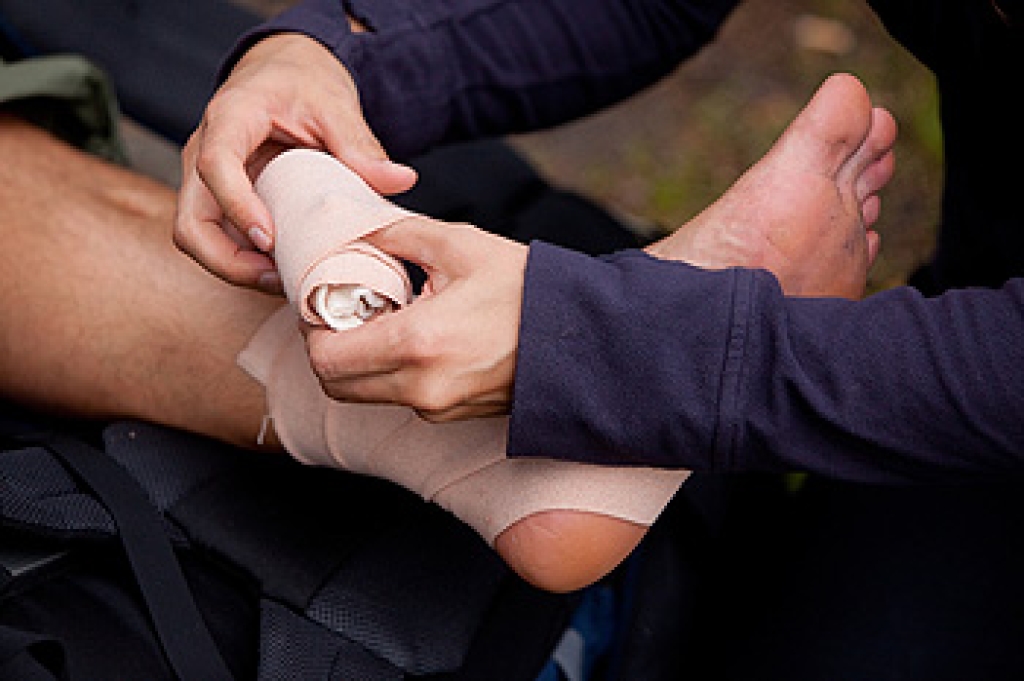
One of the most common injuries that occurs while playing sports is an ankle sprain. An ankle sprain occurs when a sudden twist or force over stretches or tears the ligaments that connect to the bones in the joints. Common indications of an ankle sprain include swelling around the ankle, bruising, pain, and difficulty bending the ankle. Patients who are unable to walk on their ankle, have significant swelling, or have symptoms that last for multiple days should consult with a podiatrist for treatment. Because it can be hard to differentiate between an ankle sprain and an ankle fracture, patients who are experiencing significant pain in the ankle should consult with a podiatrist. A podiatrist will be able to evaluate the injury through tools like imaging to accurately diagnose and treat the injury.
Ankle sprains are common but need immediate attention. If you need your feet checked, contact one of our podiatrists from Nola Sole Podiatry. Our doctors can provide the care you need to keep you pain-free and on your feet.
How Does an Ankle Sprain Occur?
Ankle sprains take place when the ligaments in your ankle are torn or stretched beyond their limits. There are multiple ways that the ankle can become injured, including twisting or rolling over onto your ankle, putting undue stress on it, or causing trauma to the ankle itself.
What Are the Symptoms?
- Mild to moderate bruising
- Limited mobility
- Swelling
- Discoloration of the skin (depending on severity)
Preventing a Sprain
- Wearing appropriate shoes for the occasion
- Stretching before exercises and sports
- Knowing your limits
Treatment of a Sprain
Treatment of a sprain depends on the severity. Many times, people are told to rest and remain off their feet completely, while others are given an air cast. If the sprain is very severe, surgery may be required.
If you have suffered an ankle sprain previously, you may want to consider additional support such as a brace and regular exercises to strengthen the ankle.
If you have any questions please feel free to contact our office located in New Orleans, LA . We offer the newest diagnostic tools and technology to treat your foot and ankle needs.