
When Thickened Skin Becomes Painful

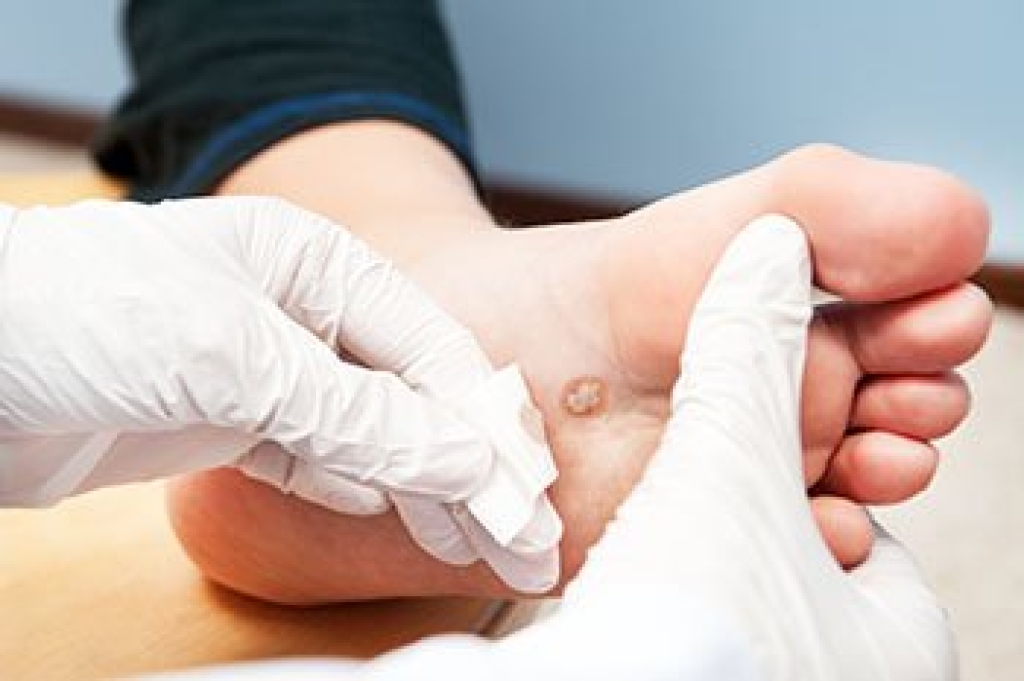
Corns and callouses develop when the skin responds to repeated pressure or friction by becoming thicker and harder. Corns are usually smaller and form on the tops or sides of toes, often with a central core that presses into deeper tissue. Callouses are broader areas of thickened skin that commonly appear on the soles of the feet, especially under the heel or ball of the foot. The skin may look yellowed or rough, and patients often describe tenderness while walking or wearing certain shoes. Tight footwear, foot deformities, and abnormal walking patterns can all contribute to their formation. A podiatrist begins with a careful examination to identify the source of pressure. Treatment includes gentle trimming of the thickened skin, padding, custom orthotics, and guidance on proper footwear. Targeted exercises may also improve foot alignment and reduce recurrence. If you have painful corns or callouses, it is suggested that you schedule an appointment with a podiatrist for evaluation and appropriate care.

If you have any concerns regarding your feet and ankles, contact one of our podiatrists of Nola Sole Podiatry. Our doctors will treat your foot and ankle needs.

Corns: What Are They? and How Do You Get Rid of Them?
Corns can be described as areas of the skin that have thickened to the point of becoming painful or irritating. They are often layers and layers of the skin that have become dry and rough, and are normally smaller than calluses.

Ways to Prevent Corns
There are many ways to get rid of painful corns such as wearing:

  • Well-fitting socks
  • Comfortable shoes that are not tight around your foot
  • Shoes that offer support

Treating Corns
Treatment of corns involves removing the dead skin that has built up in the specific area of the foot. Consult with Our doctors to determine the best treatment option for your case of corns.

If you have any questions, please feel free to contact our office located in New Orleans, LA . We offer the newest diagnostic and treatment technologies for all your foot care needs.


Read more about Corns and Calluses

Facts About Ankle Factures

An ankle fracture occurs when one or more of the bones that form the joint break, usually after a sudden twist, fall, or direct impact. The lower ends of the tibia and fibula leg bones create the bony bumps on each side of the ankle, while the talus sits between them and allows smooth motion. Any of these structures can crack or separate during sports, slips, vehicle accidents, or other high-force injuries. Typical signs of a broken ankle include immediate pain, swelling, bruising, difficulty moving the joint, and trouble bearing weight, although some people can still stand despite a fracture. Deformity or visible bone indicates a severe injury that requires urgent care. A podiatrist evaluates the mechanism severity of the fracture, checks circulation and nerve function, and confirms the diagnosis with X-rays or other imaging tests. If you have symptoms of a broken ankle, it is suggested that you make an emergency appointment with a podiatrist for an exam, diagnosis, and treatment.

test

Read more about All About Broken Ankles

When the Feet Begin to Swell

Swelling of the feet, also known as edema, occurs when excess fluid collects in the tissues. It is often caused by prolonged standing or sitting, injury, pregnancy, or underlying medical conditions, such as heart, kidney, or circulation problems. Symptoms include puffiness or tightness and discomfort that worsens as the day progresses. The feet may look enlarged or shiny, and pressing on the skin can leave a temporary indentation. Swelling can feel achy, stiff, or tender, and may limit mobility or make shoes feel tight. A podiatrist can help by starting with a detailed evaluation of the feet, circulation, and medical history, sometimes using diagnostic testing to determine the cause. Treatment may include lifestyle modifications, compression support, targeted exercises to improve circulation, and management of contributing conditions. Early care helps prevent complications and maintains foot health. If you have swollen feet, it is suggested that you schedule an appointment with a podiatrist for effective relief and management tips.

Swollen feet can be a sign of an underlying condition. If you have any concerns, contact one of our podiatrists of Nola Sole Podiatry. Our doctors can provide the care you need to keep you pain-free and on your feet.

Swollen feet are a common ailment among pregnant women and people who stand or sit for extended periods. Aging may increase the possibility of swollen feet and patients who are obese often notice when their feet are swelling too. There may be medical reasons why swollen feet occur:

  • Phlebitis - A condition that causes the veins to become inflamed and can also cause leg pain.
  • Liver disease - This may lead to low blood levels of albumin which is a protein. This can cause fluid in the blood to pass into the tissues and several areas of the body can become swollen.
  • Heart failure - When the heart doesn’t pump properly the blood that is normally pumped back to the heart can pool in the veins of the legs causing swollen feet.
  • Kidney disease - One of the main functions of the kidneys is releasing excess fluid in the body. This type of condition can make it difficult for the kidneys to function properly, and as a result the feet may become swollen.
  • Deep-vein thrombosis (DVT)- This is a serious condition where blood clots form in the veins of the legs. They can block the return of blood from the legs to the heart which may cause the feet to swell. It is important to be treated by a podiatrist if this condition is present.

Swollen feet can also be caused by bone and tendon conditions, including fractures, arthritis, and tendinitis. Additionally, there may be skin and toenail conditions and an infection may cause the feet to swell. Patients who take medicine to treat high blood pressure may be prone to getting swollen feet. 

Many patients elevate their feet to help relieve the swelling and this is generally a temporary remedy. When a podiatrist is consulted the reason behind the swelling can be uncovered and subsequently treated.

If you have any questions please contact our office located in New Orleans, LA . We offer the newest diagnostic and treatment technologies for all your foot and ankle needs.

Read more about Swelling of the Feet

Formation and Treatment of Ingrown Toenails

Ingrown toenails form when the edge of a toenail grows into the surrounding skin, often affecting the big toe. This can occur from improper nail trimming, pressure from footwear, toe deformities, or trauma. As the nail penetrates the skin, inflammation may develop, leading to redness, swelling, tenderness, and drainage. If left untreated, ingrown toenails can become infected and painful, interfering with walking, work, and other activities. A podiatrist can evaluate the affected toe and identify contributing factors, such as gait mechanics or structural issues of the foot. Treatment includes relieving pressure, addressing infection, correcting nail growth patterns, or performing a minor in office procedure to remove the problematic nail portion. If you have pain from an ingrown toenail, it is suggested that you make an appointment with a podiatrist for an exam, diagnosis, and treatment.

Ingrown toenails may initially present themselves as a minor discomfort, but they may progress into an infection in the skin without proper treatment. For more information about ingrown toenails, contact one of our podiatrists of Nola Sole Podiatry. Our doctors can provide the care you need to keep you pain-free and on your feet.

Ingrown Toenails

Ingrown toenails are caused when the corner or side of a toenail grows into the soft flesh surrounding it. They often result in redness, swelling, pain, and in some cases, infection. This condition typically affects the big toe and may recur if it is not treated properly.

Causes

  • Improper toenail trimming
  • Genetics
  • Improper shoe fitting
  • Injury from pedicures or nail picking
  • Abnormal gait
  • Poor hygiene

You are more likely to develop an ingrown toenail if you are obese, have diabetes, arthritis, or have any fungal infection in your nails. Additionally, people who have foot or toe deformities are at a higher risk of developing an ingrown toenail.

Symptoms

Some symptoms of ingrown toenails are redness, swelling, and pain. In rare cases, there may be a yellowish drainage coming from the nail.

Treatment

Ignoring an ingrown toenail can have serious complications. Infections of the nail border can progress to a deeper soft-tissue infection, which can then turn into a bone infection. You should always speak with your podiatrist if you suspect you have an ingrown toenail, especially if you have diabetes or poor circulation.

If you have any questions, please feel free to contact our office located in New Orleans, LA . We offer the newest diagnostic and treatment technologies for all your foot care needs.
Read more about Ingrown Toenail Care

Heel Pain Can Be Treated!

Do you suffer from heel pain when you get up in the morning? If so, you should seek professional help and have a proper diagnosis performed. Heel pain can be caused by several different foot-related conditions.

Connect With Us

scroll-to-top