Foot and Ankle Problems in Children

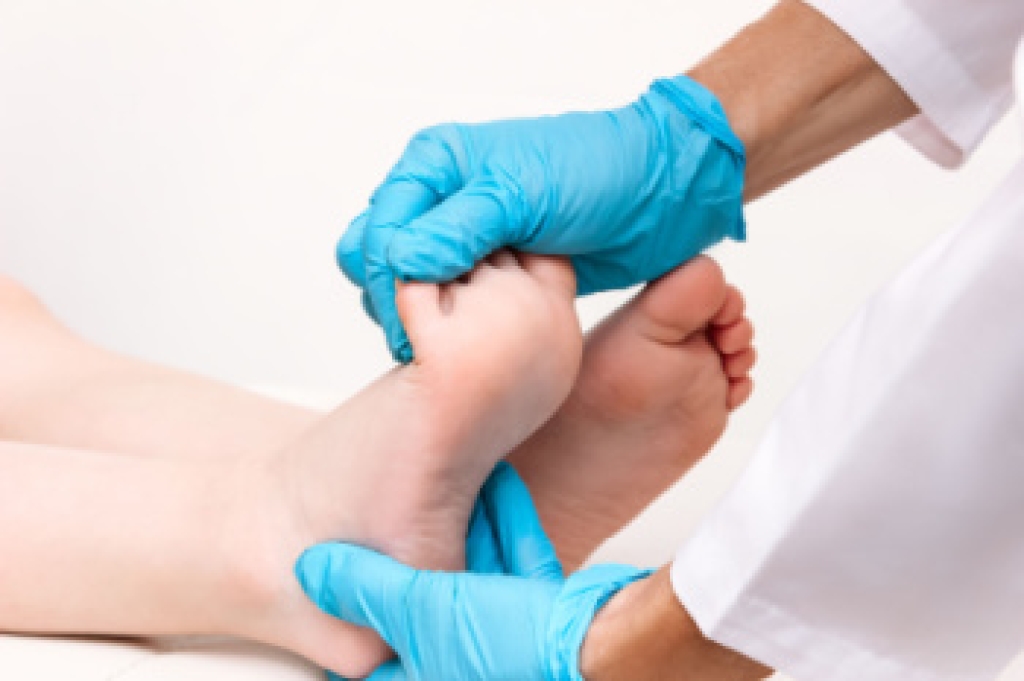
Toe, foot, and ankle problems in children often arise from acute or overuse injuries. Acute injuries happen suddenly, typically from accidents or falls during play or sports. Examples include sprained ankles, where the ligaments are overstretched or torn, and fractures, which involve broken bones in the foot or ankle. These injuries usually cause immediate pain, swelling, and difficulty walking or standing. Overuse injuries develop gradually from repetitive activities. Common examples in children include plantar fasciitis, Achilles tendonitis, and stress fractures, often resulting from sports that involve running or jumping. Wearing poor footwear, improper technique, or a sudden increase in activity can also contribute to these issues. Both types of injuries require appropriate care, from rest, and for more serious conditions, professional treatment by a podiatrist.  If your child has sustained an injury to their ankles or feet that are not healing in a timely way, it is strongly suggested that you visit a podiatrist who can provide a proper diagnosis and treatment plans to prevent further complications, and ensure healthy development.

The health of a child’s feet is vital to their overall well-being. If you have any questions regarding foot health, contact one of our podiatrists of Nola Sole Podiatry. Our doctors can provide the care you need to keep you pain-free and on your feet.

Tips for Keeping Children's Feet Healthy

  • Make sure their shoes fit properly
  • Look for any signs of in-toeing or out-toeing
  • Check to see if they have Clubfoot (condition that affects your child’s foot and ankle, twisting the heel and toes inward) which is one of the most common nonmajor birth defects.
  • Lightly cover your baby’s feet (Tight covers may keep your baby from moving their feet freely, and could prevent normal development)
  • Allow your toddler to go shoeless (Shoes can be restricting for a young child’s foot)
  • Cut toenails straight across to avoid ingrown toenails
  • Keep your child’s foot clean and dry
  • Cover cuts and scrapes. Wash any scratches with soap and water and cover them with a bandage until they’ve healed.

If you have any questions, please feel free to contact our office located in New Orleans, LA . We offer the newest diagnostic and treatment technologies for all your foot care needs.
Read more about What to Do to Keep Your Child’s Feet Healthy

What Is Gout?

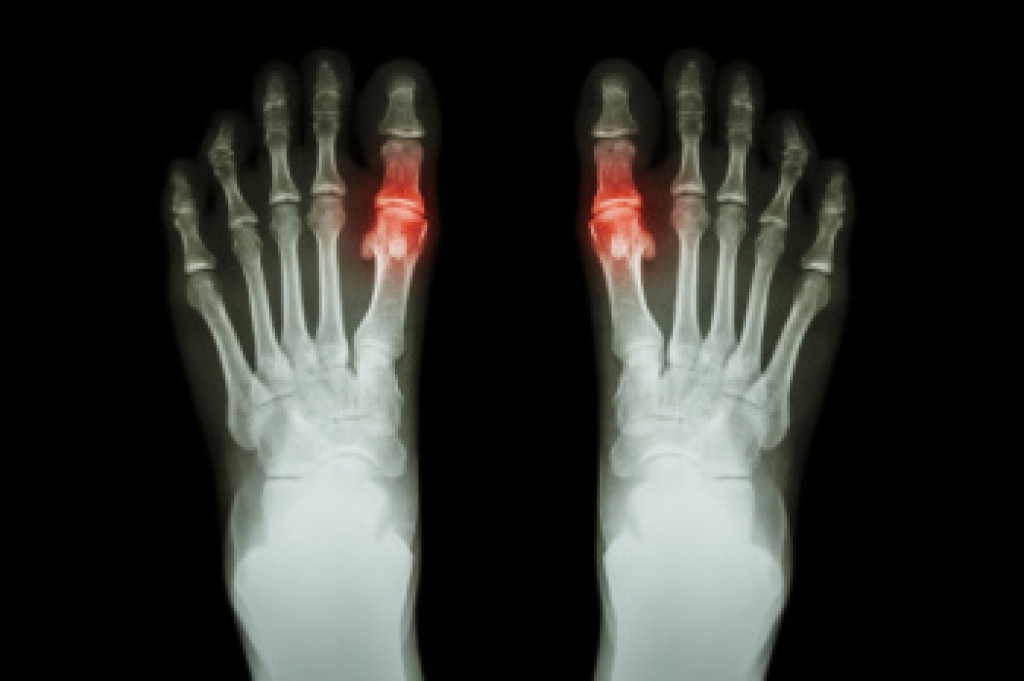
Gout is a form of inflammatory arthritis caused by the buildup of uric acid crystals in the joints, often affecting the big toe. It typically appears suddenly, with symptoms such as intense pain, swelling, redness, and warmth in the affected area. Gout attacks can be triggered by certain foods, excessive alcohol, dehydration, or medications. While lifestyle changes, such as dietary adjustments and increased hydration, can help manage mild cases, recurrent or severe attacks may require medical intervention. If you experience debilitating pain or swelling in the big toe that does not improve on its own, it is important to see a podiatrist. This type of doctor may prescribe medications to lower uric acid levels or reduce inflammation, helping to prevent future flare-ups. If you have or suspect you have gout, it is suggested you schedule an appointment with a podiatrist for a comprehensive evaluation and effective treatment options tailored to your needs.

Gout is a painful condition that can be treated. If you are seeking treatment, contact one of our podiatrists from Nola Sole Podiatry. Our doctors will treat your foot and ankle needs.

What Is Gout?

Gout is a form of arthritis that is characterized by sudden, severe attacks of pain, redness, and tenderness in the joints. The condition usually affects the joint at the base of the big toe. A gout attack can occur at any random time, such as the middle of the night while you are asleep.

Symptoms

  • Intense Joint Pain - Usually around the large joint of your big toe, and it most severe within the first four to twelve hours
  • Lingering Discomfort - Joint discomfort may last from a few days to a few weeks
  • Inflammation and Redness -Affected joints may become swollen, tender, warm and red
  • Limited Range of Motion - May experience a decrease in joint mobility

Risk Factors

  • Genetics - If family members have gout, you’re more likely to have it
  • Medications - Diuretic medications can raise uric acid levels
  • Gender/Age - Gout is more common in men until the age of 60. It is believed that estrogen protects women until that point
  • Diet - Eating red meat and shellfish increases your risk
  • Alcohol - Having more than two alcoholic drinks per day increases your risk
  • Obesity - Obese people are at a higher risk for gout

Prior to visiting your podiatrist to receive treatment for gout, there are a few things you should do beforehand. If you have gout you should write down your symptoms--including when they started and how often you experience them, important medical information you may have, and any questions you may have. Writing down these three things will help your podiatrist in assessing your specific situation so that he or she may provide the best route of treatment for you.

If you have any questions, please feel free to contact our office located in New Orleans, LA . We offer the newest diagnostic and treatment technologies for all your foot care needs.

Read more about Everything You Need to Know About Gout

Ankle Injuries and Grades

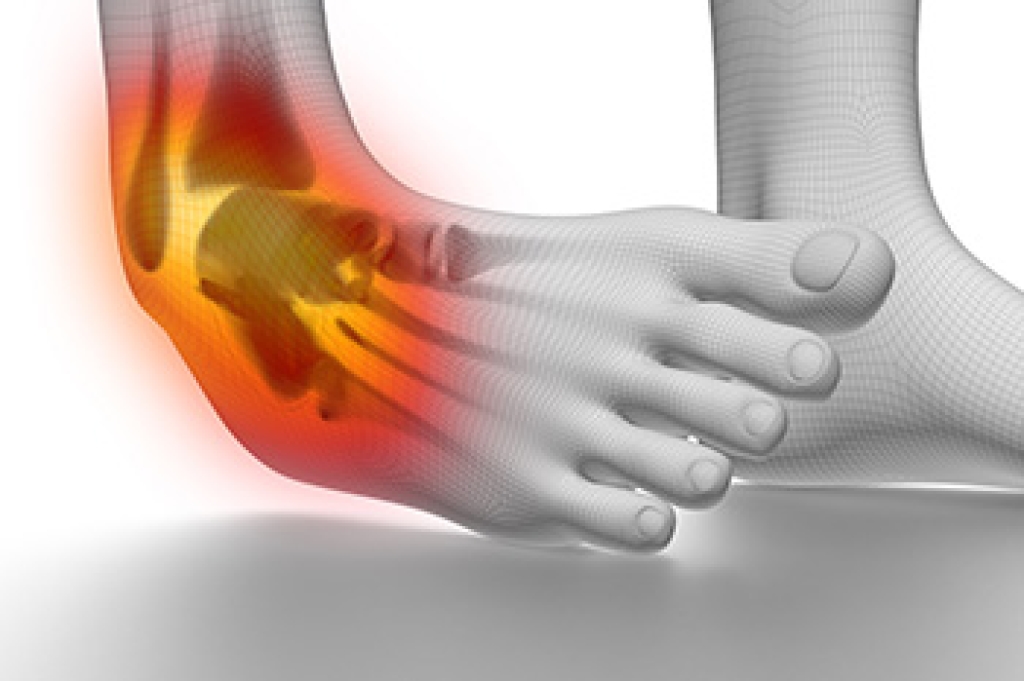
Ankle sprains are common injuries that occur when the ligaments supporting the ankle stretch or tear. One of the most prevalent types is the inversion sprain, which happens when the foot rolls inward, often leading to damage on the outer side of the ankle. Medial ankle sprains, though less common, occur when the foot rolls outward, affecting the ligaments on the inner side. High ankle sprains involve injury to the ligaments connecting the tibia and fibula, usually resulting from a twisting injury. Ankle sprains are typically classified into three grades. Grade one involves mild stretching, grade two indicates partial tearing, and grade three signifies a complete tear of the ligament. If you have sprained your ankle, it is suggested that you promptly contact a podiatrist who can identify which kind of sprain it is, and offer appropriate treatment solutions. 

Although ankle sprains are common, they aren’t always minor injuries. If you need your ankle injury looked at, contact one of our podiatrists from Nola Sole Podiatry. Our doctors can provide the care you need to keep you pain-free and on your feet.

How Does an Ankle Sprain Occur?

Ankle sprains are the result of a tear in the ligaments within the ankle. These injuries may happen when you make a rapid shifting movement while your foot is planted. A less common way to sprain your ankle is when your ankle rolls inward while your foot turns outward.

What Are the Symptoms?

  • Pain at the sight of the tear
  • Bruising/Swelling
  • Ankle area is tender to touch
  • In severe cases, may hear/feel something tear
  • Skin discoloration

Preventing a Sprain

  • Wearing appropriate shoes for the occasion
  • Stretching before exercises and sports
  • Knowing your limits

Treatment of a Sprain

In many cases, the RICE method (Rest, Ice, Compression, and Elevate) is used to treat ankle sprains. However, you should see a podiatrist to see which treatment option would work best with your injury. In severe cases, surgery may be required.

It is important to ask your doctor about rehab options after you receive treatment for your injury. Stretching, strength training, and balance exercises may help the ankle heal while also preventing further injury.

If you have any questions, please feel free to contact our office located in New Orleans, LA . We offer the newest diagnostic and treatment technologies for all your foot care needs.
Read more about Ankle Sprains

We Can Treat Your Foot or Ankle Pain

Foot or ankle pain can negatively affect your day-to-day life and can occur due to several different conditions. Pain can also be an indicator of a more serious underlying condition, which is why you should seek professional help as soon as you notice any abnormalities in your feet.

Bunions and Accompanying Symptoms

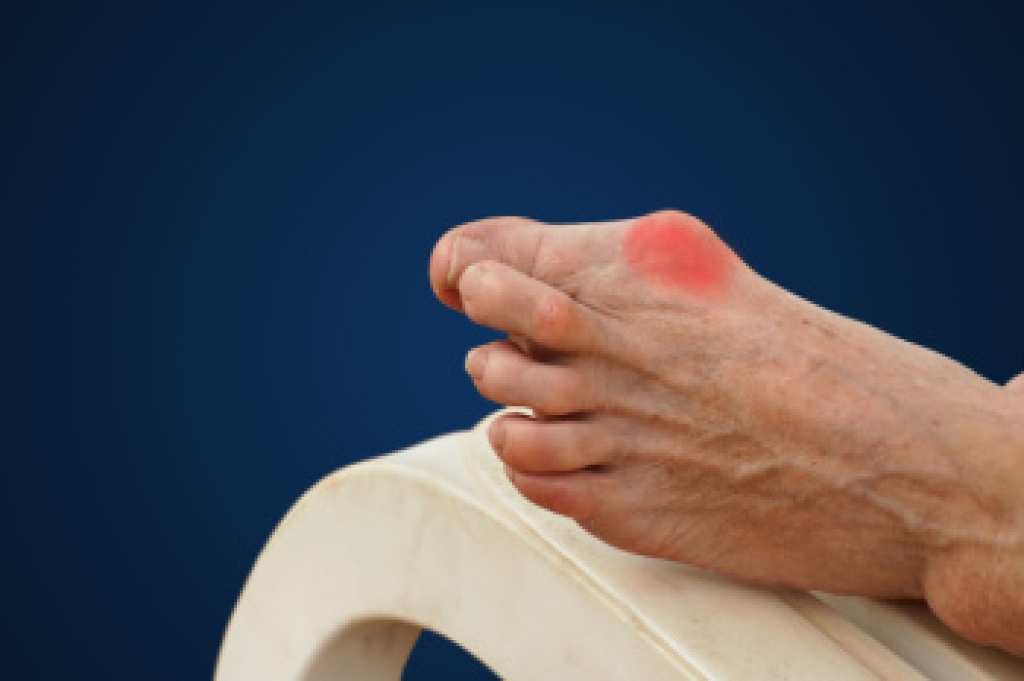
Bunions are painful bony bumps that develop at the base of the big toe, often causing discomfort and affecting daily activities. Common symptoms include swelling, redness, and a noticeable protrusion on the side of the foot. You may also experience stiffness in the big toe, making it difficult to wear certain shoes or walk comfortably. Treatment for bunions often begins with wearing properly fitting shoes with a wide toe box that can help reduce pressure on the bunion. Padding or custom orthotic inserts can provide additional support and alleviate pain. If conservative treatment fails, surgery may be considered to realign the toe and remove the bunion. It is important to address bunions early to prevent worsening symptoms. If you are experiencing bunion pain, it is suggested that you schedule an appointment with a podiatrist. This type of doctor can evaluate your condition and recommend a tailored treatment plan to restore your comfort and mobility.

If you are suffering from bunions, contact one of our podiatrists of Nola Sole Podiatry. Our doctors can provide the care you need to keep you pain-free and on your feet.

What Is a Bunion?

A bunion is formed of swollen tissue or an enlargement of boney growth, usually located at the base joint of the toe that connects to the foot. The swelling occurs due to the bones in the big toe shifting inward, which impacts the other toes of the foot. This causes the area around the base of the big toe to become inflamed and painful.

Why Do Bunions Form?

Genetics – Susceptibility to bunions are often hereditary

Stress on the feet – Poorly fitted and uncomfortable footwear that places stress on feet, such as heels, can worsen existing bunions

How Are Bunions Diagnosed?

Podiatrists often perform two tests – blood tests and x-rays – when trying to diagnose bunions, especially in the early stages of development. Blood tests help determine if the foot pain is being caused by something else, such as arthritis, while x-rays provide a clear picture of your bone structure to your provider.

How Are Bunions Treated?

  • Refrain from wearing heels or similar shoes that cause discomfort
  • Select wider shoes that can provide more comfort and reduce pain
  • Anti-inflammatory and pain management drugs
  • Orthotics or foot inserts
  • Surgery

If you have any questions, please feel free to contact our office located in New Orleans, LA . We offer the newest diagnostic and treatment technologies for all your foot care needs.

Read more about Bunions

Connect With Us

scroll-to-top