How Foot Biomechanics Effects Every Step

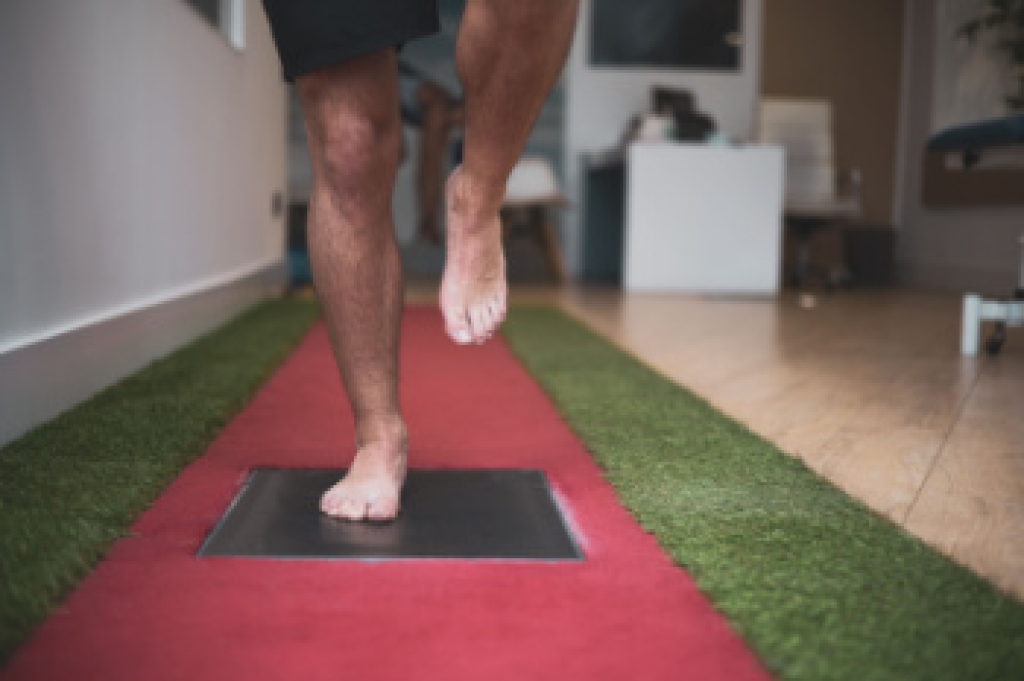
Foot biomechanics refers to how the bones, muscles, and other structures of the feet work together during movement. Each step requires the foot to support body weight, absorb force, and help move the body forward. The position and movement of the feet can also influence the ankles, knees, and other areas involved in walking. When foot mechanics are working efficiently, pressure is distributed across the foot as the body moves. Differences in foot structure or movement patterns, however, may change where that pressure is placed. These changes can contribute to discomfort or make certain activities more difficult.


Problems with foot biomechanics can affect people in different ways. Some individuals may place more pressure on the inside or outside of the foot while walking. Others may have changes in their arches or joint movement that affect how the foot handles weight. These patterns may contribute to foot pain, heel discomfort, or ankle problems. Altered foot mechanics can also influence balance and the way a person walks. Since many factors can affect movement, pain does not always come from the area where the original problem began. A professional biomechanical assessment can provide a clearer picture of how the feet function during standing and walking.


A podiatrist can evaluate foot biomechanics by examining foot structure, joint movement, and walking patterns. This assessment can help identify areas of unusual pressure or movement that may be contributing to pain. Depending on the findings, podiatric care may include custom orthotics, footwear recommendations, or other treatments designed to improve support and function. Treatment is based on each patient’s foot structure, symptoms, and activity needs. Addressing biomechanical problems may help improve comfort and reduce stress on the feet during movement. If foot pain or changes in your walking pattern are affecting your mobility, it is suggested that you consult a podiatrist for an evaluation and appropriate treatment options.

If you have any concerns about your feet, contact Kristina Robertson, DPM from Nola Sole Podiatry. Our doctors can provide the care you need to keep you pain-free and on your feet.

Biomechanics in Podiatry

Podiatric biomechanics is a particular sector of specialty podiatry with licensed practitioners who are trained to diagnose and treat conditions affecting the foot, ankle and lower leg. Biomechanics deals with the forces that act against the body, causing an interference with the biological structures. It focuses on the movement of the ankle, the foot and the forces that interact with them.

A History of Biomechanics

  • Biomechanics dates back to the BC era in Egypt where evidence of professional foot care has been recorded.
  • In 1974, biomechanics gained a higher profile from the studies of Merton Root, who claimed that by changing or controlling the forces between the ankle and the foot, corrections or conditions could be implemented to gain strength and coordination in the area.

Modern technological improvements are based on past theories and therapeutic processes that provide a better understanding of podiatric concepts for biomechanics. Computers can provide accurate information about the forces and patterns of the feet and lower legs.

Understanding biomechanics of the feet can help improve and eliminate pain, stopping further stress to the foot.

If you have any questions please feel free to contact our office located in New Orleans, LA . We offer the newest diagnostic and treatment technologies for all your foot and ankle needs.
Read more about The Importance of Biomechanics in Podiatry

Why Corns on the Feet Are Painful

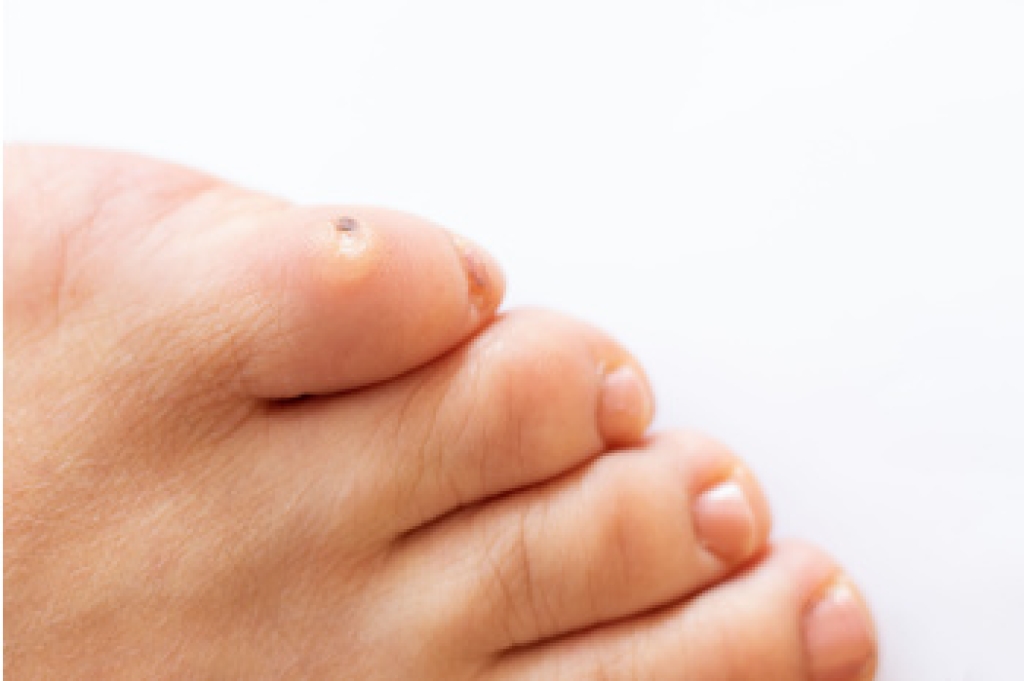
Foot corns are concentrated areas of thickened skin that develop in response to consistent pressure or friction. They most often form on the tops of toes, between toes, or on the outer edges of the foot, such as the pinky toe, where shoes rub repeatedly. These areas are prone to pressure due to their position against footwear or neighboring toes. Corns develop as a protective mechanism, but they can become painful and interfere with normal walking. Their central core can press inward, making even light contact uncomfortable.

Symptoms of foot corns include a firm, raised bump with a hard center and surrounding inflamed skin. The area may feel tender when touched or when pressure is applied during movement. Some corns develop between the toes and remain softer due to moisture, while others become dry and hardened. Individuals may notice redness, irritation, or a sensation of pressure within the affected area. Pain can increase when wearing tight shoes or during extended periods of standing or walking.


Several risk factors contribute to the formation of corns. Wearing ill-fitting shoes is one of the most common causes, particularly styles that crowd the toes or create uneven pressure. Foot deformities such as hammertoes or misaligned joints can increase friction points. Walking barefoot on hard surfaces or wearing shoes without proper cushioning may also elevate risk. Repetitive activities that place stress on the same areas of the foot can lead to the gradual development of corns.


Corns form because of repeated pressure that triggers the skin to thicken in a localized area. This protective response can become problematic when the thickened skin presses into deeper tissues. Managing pressure through wearing proper footwear and foot care is essential for prevention. Corns can be painful, and cause difficulty in completing daily activities. If this applies to you, it is strongly suggested that you consult a podiatrist who can offer effective relief solutions and prevention tips.

Corns can make walking very painful and should be treated immediately. If you have questions regarding your feet and ankles, contact Kristina Robertson, DPM of Nola Sole Podiatry. Our doctors will treat your foot and ankle needs.

Corns: What Are They? And How Do You Get Rid of Them?
Corns are thickened areas on the skin that can become painful. They are caused by excessive pressure and friction on the skin. Corns press into the deeper layers of the skin and are usually round in shape.

Ways to Prevent Corns
There are many ways to get rid of painful corns such as:

  • Wearing properly fitting shoes that have been measured by a professional
  • Wearing shoes that are not sharply pointed or have high heels
  • Wearing only shoes that offer support

Treating Corns

Although most corns slowly disappear when the friction or pressure stops, this isn’t always the case. Consult with your podiatrist to determine the best treatment option for your case of corns.

If you have any questions, please feel free to contact our office located in New Orleans, LA . We offer the newest diagnostic and treatment technologies for all your foot care needs.

Read more about Understanding Corns and Calluses

Plantar Warts and Podiatric Treatment

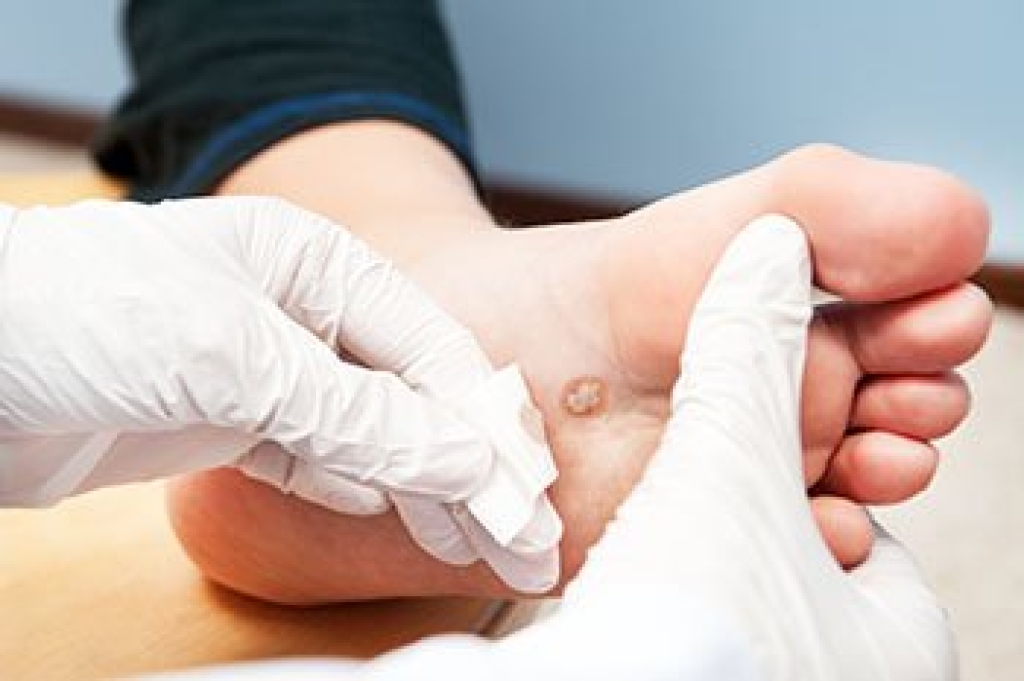
Plantar warts develop on the bottom of the feet after infection with certain types of the human papillomavirus, commonly known as HPV. The virus enters through tiny openings in the skin and causes the outer layer to thicken. Because these warts develop on weight-bearing areas, they are pushed inward by the pressure of standing and walking. This makes them painful during everyday activities. Common symptoms include a rough patch of skin, tenderness, and pain when putting weight on the foot. Some plantar warts also contain tiny black dots, which are small clotted blood vessels. Since other foot conditions can look similar, a professional evaluation is important to confirm the diagnosis and determine treatment.


Plantar warts may appear as a single lesion or develop in small groups on the sole of the foot. As discomfort increases, many people begin to change the way they walk to avoid pressure on the affected area. This altered movement can place stress on the ankle, knee, or hip. Although plantar warts are usually not dangerous, they may continue to grow or become painful if left untreated. A thorough podiatry examination helps determine the size, location, and depth of the wart while ruling out other causes of foot pain. Early diagnosis allows treatment to begin before the condition interferes with normal mobility or daily activities.


A podiatrist specializes in diagnosing and treating plantar warts while evaluating the overall health of the affected foot. Professional treatment focuses on removing the wart, relieving discomfort, and reducing the likelihood of recurrence. Care is tailored to each patient's condition and may be adjusted based on the size and number of warts present. Early podiatry care may also help prevent ongoing pain and improve comfort while walking. If you have a painful growth on the bottom of your foot or believe you have a plantar wart, it is suggested that you consult a podiatrist for an evaluation and appropriate treatment options.

Plantar warts can be very uncomfortable. If you need your feet checked, contact Kristina Robertson, DPM from Nola Sole Podiatry. Our doctors will assist you with all of your foot and ankle needs.

About Plantar Warts

Plantar warts are the result of HPV, or human papillomavirus, getting into open wounds on the feet. They are mostly found on the heels or balls of the feet.

While plantar warts are generally harmless, those experiencing excessive pain or those suffering from diabetes or a compromised immune system require immediate medical care. Plantar warts are easily diagnosed, usually through scraping off a bit of rough skin or by getting a biopsy.

Symptoms

  • Lesions on the bottom of your feet, usually rough and grainy
  • Hard or thick callused spots
  • Wart seeds, which are small clotted blood vessels that look like little black spots
  • Pain, discomfort, or tenderness of your feet when walking or standing

Treatment

  • Freezing
  • Electric tool removal
  • Laser Treatment
  • Topical Creams (prescription only)
  • Over-the-counter medications

To help prevent developing plantar warts, avoid walking barefoot over abrasive surfaces that can cause cuts or wounds for HPV to get into. Avoiding direct contact with other warts, as well as not picking or rubbing existing warts, can help prevent the further spread of plantar warts. However, if you think you have developed plantar warts, speak to your podiatrist. He or she can diagnose the warts on your feet and recommend the appropriate treatment options.

If you have any questions, please feel free to contact our office located in New Orleans, LA . We offer the newest diagnostic and treatment technologies for all your foot care needs.

Read more about What Are Plantar Warts?

Do You Suffer From Painful Feet?

Painful deformities, such as hammertoes, can be treated. Stop living with foot pain, and have beautiful feet again!

Causes and Formation of Bunions

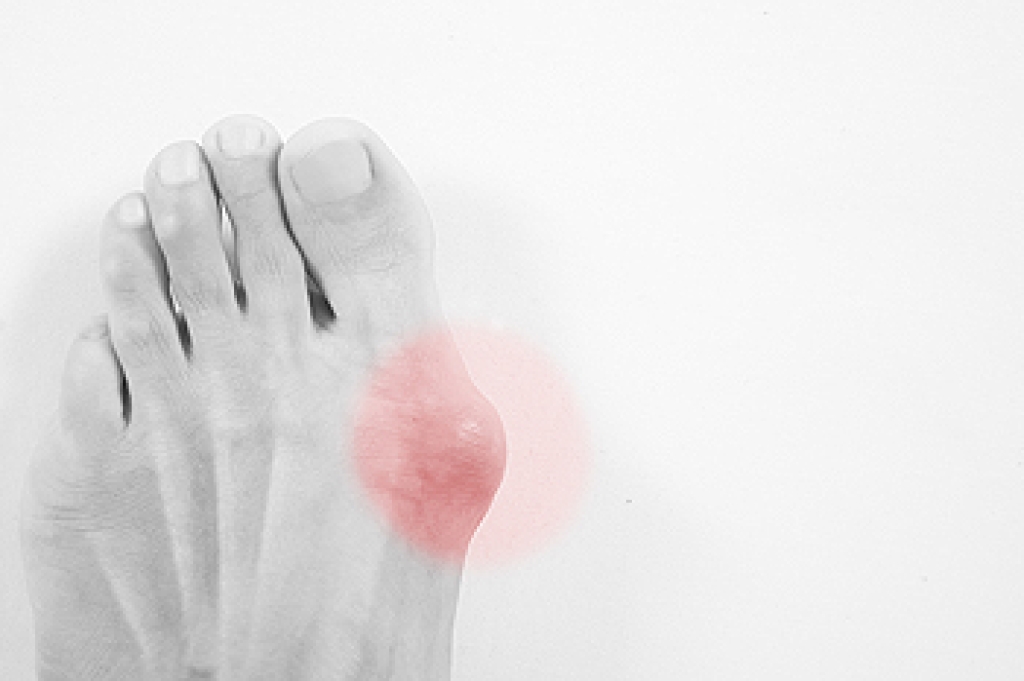
A bunion is a bony bump that forms at the base of the big toe, where the toe  joint meets the foot. This area is known as the first metatarsophalangeal joint, and it plays a key role in weight bearing and movement. A bunion develops when the big toe shifts out of alignment and leans toward the second toe. This misalignment causes the joint to protrude outward, creating a noticeable bump. Over time, the condition can worsen and affect how the foot functions during walking and standing.

Symptoms of bunions often include swelling, redness, and tenderness surrounding the affected joint. Individuals may experience pain that increases with activity, or when wearing tight shoes. The skin over the bunion may become irritated or thickened due to friction. As the deformity progresses, the big toe may overlap or crowd the neighboring toes. Reduced flexibility and stiffness in the joint can also make movement uncomfortable and limit daily activities.


Bunions form due to a combination of structural and environmental factors. Abnormal foot mechanics, such as flat feet or joint instability, can place uneven pressure on the big toe joint. This pressure leads to gradual misalignment. Wearing narrow or ill-fitting shoes can increase stress on the joint and accelerate the development of a bunion. Repetitive stress from walking or standing may also contribute to the progression of the condition.


Risk factors for bunions include genetics, since foot structure can be inherited, as well as age and gender, with women being more commonly affected. Occupations or activities that involve prolonged standing can increase pressure on the feet. Early management can help reduce discomfort and slow progression. Wearing supportive footwear and proper foot care are important steps in maintaining foot health. If you have a bunion, it is suggested that you consult a podiatrist for effective relief and treatment solutions.

If you are suffering from bunions, contact Kristina Robertson, DPM of Nola Sole Podiatry. Our doctors can provide the care you need to keep you pain-free and on your feet.

What Is a Bunion?

A bunion is formed of swollen tissue or an enlargement of boney growth, usually located at the base joint of the toe that connects to the foot. The swelling occurs due to the bones in the big toe shifting inward, which impacts the other toes of the foot. This causes the area around the base of the big toe to become inflamed and painful.

Why Do Bunions Form?

Genetics – Susceptibility to bunions are often hereditary

Stress on the feet – Poorly fitted and uncomfortable footwear that places stress on feet, such as heels, can worsen existing bunions

How Are Bunions Diagnosed?

Podiatrists often perform two tests – blood tests and x-rays – when trying to diagnose bunions, especially in the early stages of development. Blood tests help determine if the foot pain is being caused by something else, such as arthritis, while x-rays provide a clear picture of your bone structure to your provider.

How Are Bunions Treated?

  • Refrain from wearing heels or similar shoes that cause discomfort
  • Select wider shoes that can provide more comfort and reduce pain
  • Anti-inflammatory and pain management drugs
  • Orthotics or foot inserts
  • Surgery

If you have any questions, please feel free to contact our office located in New Orleans, LA . We offer the newest diagnostic and treatment technologies for all your foot care needs.

Read more about Bunions

Connect With Us

scroll-to-top