Gout Stages and How They Affect Foot Health

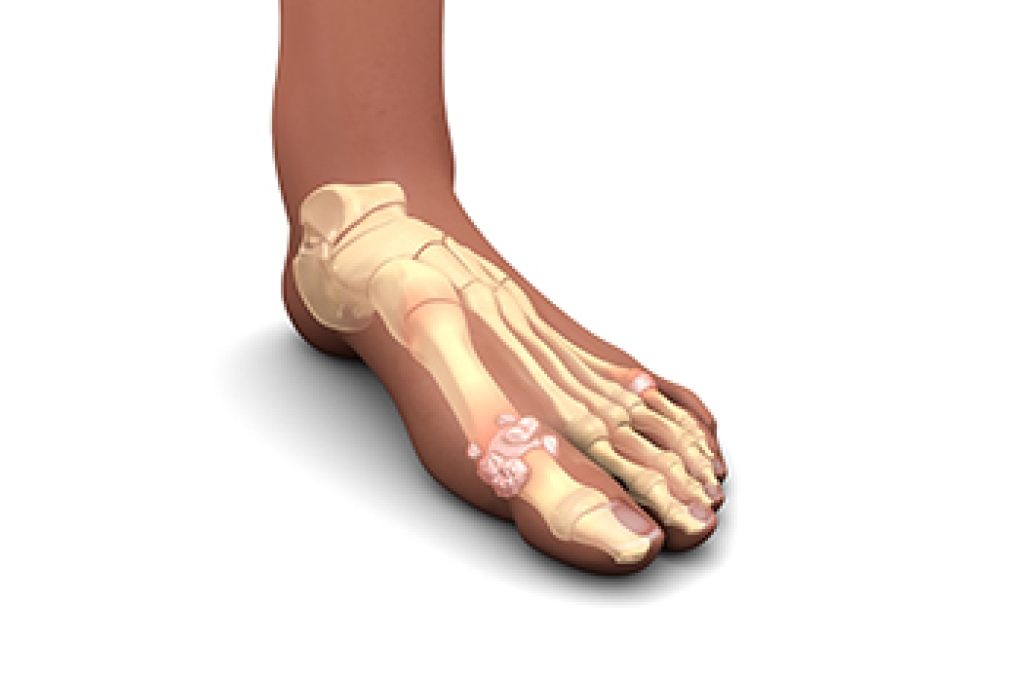
Gout is a metabolic condition that leads to painful joint inflammation due to excess uric acid in the body. The condition frequently affects the foot, especially the big toe joint, and can interfere with walking and mobility. Causes include dietary habits, genetic predisposition, and certain medications. High purine foods and alcohol consumption can increase uric acid production, contributing to crystal formation within the joints.

The first stage, known as asymptomatic gout, occurs when uric acid levels are elevated without noticeable symptoms. Acute gout is the second stage and is accompanied by sudden and intense pain, swelling, and redness in the affected joint. Intercritical gout describes the symptom-free period between flare ups, although crystal buildup continues. The final stage, chronic tophaceous gout, involves the formation of tophi, which are firm deposits of uric acid crystals that can damage joints and surrounding tissues. Each stage reflects a progression in severity and requires appropriate management.

Symptoms differ depending on the stage, but often include joint stiffness, tenderness, and inflammation. During acute attacks, pain may be severe and limit movement. In later stages, chronic discomfort and visible joint changes may occur. Risk factors include aging, obesity, and chronic health conditions. Individuals with a history of gout attacks are at higher risk of progression if the condition is not properly managed.

Effective management focuses on reducing uric acid levels and preventing flare ups. Dietary changes, hydration, and medical treatment can help control symptoms and protect joint health. Early diagnosis is key to preventing long-term complications. If you have symptoms of gout, it is strongly suggested that you are under the care of a podiatrist who can offer effective relief tips, and help you to manage this painful condition.

Gout is a painful condition that can be treated. If you are seeking treatment, contact Kristina Robertson, DPM from Nola Sole Podiatry. Our doctors will treat your foot and ankle needs.

What Is Gout?

Gout is a form of arthritis that is characterized by sudden, severe attacks of pain, redness, and tenderness in the joints. The condition usually affects the joint at the base of the big toe. A gout attack can occur at any random time, such as the middle of the night while you are asleep.

Symptoms

  • Intense Joint Pain - Usually around the large joint of your big toe, and it most severe within the first four to twelve hours
  • Lingering Discomfort - Joint discomfort may last from a few days to a few weeks
  • Inflammation and Redness -Affected joints may become swollen, tender, warm and red
  • Limited Range of Motion - May experience a decrease in joint mobility

Risk Factors

  • Genetics - If family members have gout, you’re more likely to have it
  • Medications - Diuretic medications can raise uric acid levels
  • Gender/Age - Gout is more common in men until the age of 60. It is believed that estrogen protects women until that point
  • Diet - Eating red meat and shellfish increases your risk
  • Alcohol - Having more than two alcoholic drinks per day increases your risk
  • Obesity - Obese people are at a higher risk for gout

Prior to visiting your podiatrist to receive treatment for gout, there are a few things you should do beforehand. If you have gout you should write down your symptoms--including when they started and how often you experience them, important medical information you may have, and any questions you may have. Writing down these three things will help your podiatrist in assessing your specific situation so that he or she may provide the best route of treatment for you.

If you have any questions, please feel free to contact our office located in New Orleans, LA . We offer the newest diagnostic and treatment technologies for all your foot care needs.

Read more about Everything You Need to Know About Gout

Exercises Can Help to Reduce Foot Pain

Healthy feet absorb shock, maintain balance, and provide a stable base with every step. When foot muscles become weak or stiff, extra stress develops in the arches, heels, and toes. Regular foot exercise helps improve movement and builds strength in areas that work hard every day. Helpful exercises include toe spreads, standing calf raises, and writing the alphabet with the big toe to improve mobility. Another useful exercise is the asterisk drill, which challenges balance while strengthening the foot and ankle. Bent-knee heel raises also help support the back of the foot and ankle. These movements encourage better control while walking and can reduce strain on the tissues that support the foot.

Exercise works best when performed with proper technique. Poor form can place added stress on painful areas instead of improving them. Patients who continue to experience discomfort while walking, standing, or exercising should seek a professional evaluation instead of ignoring the problem. A podiatrist can determine the cause of the pain through a complete examination. Diagnosis includes evaluating foot structure, joint movement, and muscle strength. A podiatrist also looks for conditions like plantar fasciitis, arthritis, or nerve irritation that contribute to pain. Once the cause is identified, treatment focuses on correcting the problem while helping restore comfortable movement.

A podiatrist can suggest an exercise program based on each patient's condition instead of recommending the same routine for everyone. Care may also include custom orthotics that improve foot alignment and reduce pressure on painful areas. Braces or other supportive devices may be prescribed when appropriate. Patients also receive guidance about choosing shoes that provide proper support and fit correctly. Combining professional treatment with targeted exercises gives the feet a better opportunity to regain strength, improve mobility, and reduce pain. Stronger foot muscles support healthier movement with every step. If you have intense or consistent foot pain, it is suggested that you schedule an appointment with a podiatrist for a diagnosis and appropriate treatment.

Exercising your feet regularly with the proper foot wear is a great way to prevent injuries and build strength. If you have any concerns about your feet, contact Kristina Robertson, DPM from Nola Sole Podiatry. Our doctors can provide the care you need to keep you pain-free and on your feet.

Exercise for Your Feet

Exercise for your feet can help you gain strength, mobility and flexibility in your feet. They say that strengthening your feet can be just as rewarding as strengthening another part of the body. Your feet are very important, and we often forget about them in our daily tasks. But it is because of our feet that are we able to get going and do what we need to. For those of us fortunate enough to not have any foot problems, it is an important gesture to take care of them to ensure good health in the long run.

Some foot health exercises can include ankle pumps, tip-toeing, toe rises, lifting off the floor doing reps and sets, and flexing the toes. It is best to speak with Our doctors to determine an appropriate regimen for your needs. Everyone’s needs and bodies are different, and the activities required to maintain strength in the feet vary from individual to individual. 

Once you get into a routine of doing regular exercise, you may notice a difference in your feet and how strong they may become.

If you have any questions, please feel free to contact our office located in New Orleans, LA . We offer the newest diagnostic and treatment technologies for all your foot care needs.

Read more about Exercise for Your Feet

Are You Suffering From Nerve Damage?

Neuropathy is a condition that can lead to numbness or loss of sensation in the feet, but it can also cause pain. This condition is more likely to develop for those who are diabetic, obese, or with high blood pressure.

Signs of a Serious Foot Bone Infection

Osteomyelitis is a serious bone infection that can affect the feet and ankles. It can begin when bacteria enter through a wound, ulcer, or deep cut. People with diabetes, poor circulation, or reduced feeling in the feet face a higher risk. Because sensation can be limited, a small sore can become infected before pain is noticed. Warning signs can include swelling, redness, and drainage from a wound. Some patients also develop fever or deep foot pain. In the foot, osteomyelitis can damage bone and nearby tissue when it is not treated promptly.

A podiatrist can help identify osteomyelitis through a careful foot exam and a review of your health history. The exam includes checking the wound, skin color, and blood flow. It also includes looking for areas of pressure that can slow healing. X-rays can show bone changes, but early infection does not always appear right away. An MRI, which creates detailed pictures of bone and soft tissue, can help confirm the diagnosis. Lab tests can also help find the type of bacteria causing the infection.

Treatment depends on how severe the infection is and how much bone is involved. A podiatrist can clean the wound, remove damaged tissue, and coordinate antibiotic treatment. Antibiotics are medicines that fight bacterial infection. In some cases, surgery is needed to remove infected bone and protect the rest of the foot. A podiatrist can also help reduce pressure on the affected area with medical padding, special shoes, or a custom device. Prompt care is important because osteomyelitis can lead to long-term foot damage. If you have symptoms of osteomyelitis, it is suggested that you make an appointment with a podiatrist for diagnosis and treatment.

Foot Pain

Foot pain can be extremely painful and debilitating. If you have a foot pain, consult with Kristina Robertson, DPM from Nola Sole Podiatry. Our doctors will assess your condition and provide you with quality foot and ankle treatment.

Causes

Foot pain is a very broad condition that could be caused by one or more ailments. The most common include:

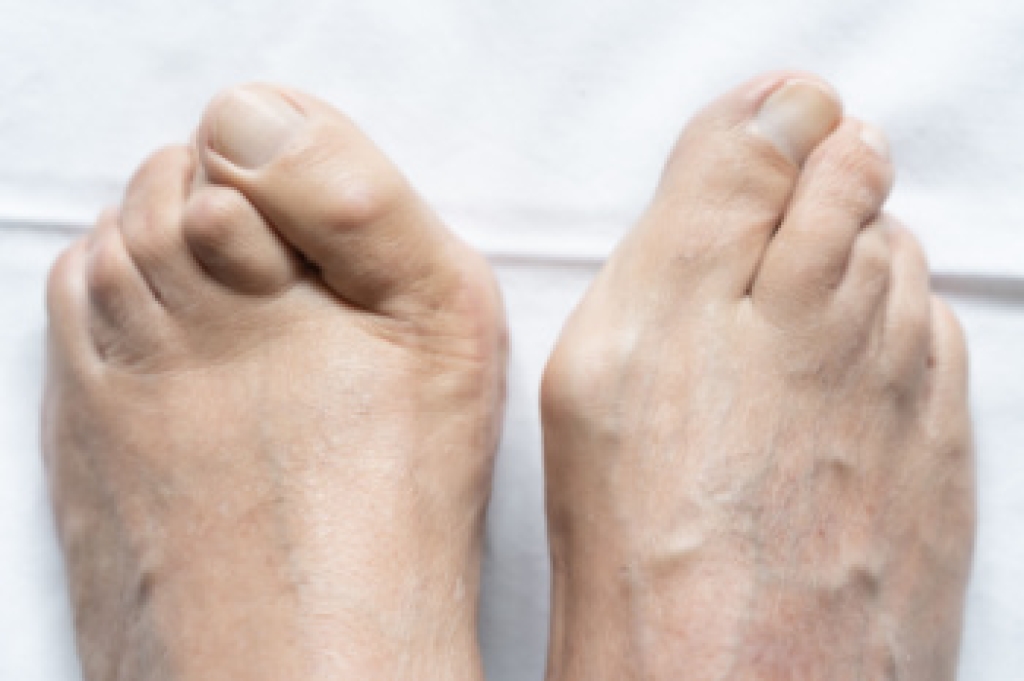
  • Bunions
  • Hammertoes
  • Plantar Fasciitis
  • Bone Spurs
  • Corns
  • Tarsal Tunnel Syndrome
  • Ingrown Toenails
  • Arthritis (such as Gout, Rheumatoid, and Osteoarthritis)
  • Flat Feet
  • Injury (from stress fractures, broken toe, foot, ankle, Achilles tendon ruptures, and sprains)
  • And more

Diagnosis

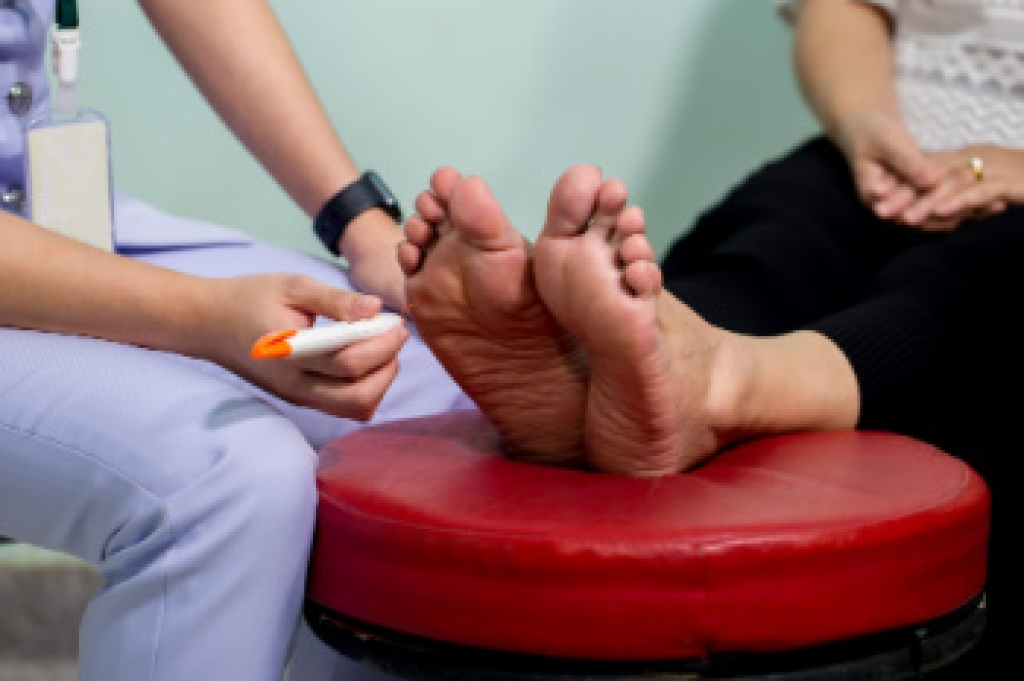
To figure out the cause of foot pain, podiatrists utilize several different methods. This can range from simple visual inspections and sensation tests to X-rays and MRI scans. Prior medical history, family medical history, and any recent physical traumatic events will all be taken into consideration for a proper diagnosis.

Treatment

Treatment depends upon the cause of the foot pain. Whether it is resting, staying off the foot, or having surgery; podiatrists have a number of treatment options available for foot pain.

If you have any questions, please feel free to contact our office located in New Orleans, LA . We offer the newest diagnostic and treatment technologies for all your foot care needs.

Read more about Foot Pain

Understanding Athlete's Foot and How It Is Treated

Athlete's foot is a fungal skin infection that usually begins between the toes. A fungus is a tiny living organism that grows best in warm, damp environments. The infection can spread to other parts of the foot, and, in some cases, to the toenails. Symptoms include itching, burning, and peeling skin. Some people also develop redness, cracking, or small blisters. The skin can become sore and uncomfortable while walking, especially when the infection worsens. Because several skin conditions have similar symptoms, an accurate diagnosis is important. A podiatrist carefully examines the affected skin and determines whether another condition is causing the problem. In some cases, a small skin sample is examined to confirm the diagnosis and guide treatment.

Athlete's foot spreads through direct contact with the fungus or by touching contaminated surfaces. Places like locker rooms, public showers, and swimming pool areas can increase the chance of exposure. The infection is also more likely to develop when feet remain warm and moist for long periods. Wearing shoes that lack proper support can increase pressure on irritated skin, making walking more uncomfortable, although these shoes do not cause the infection itself. Without proper treatment, athlete's foot can spread to other areas of the foot or lead to bacterial infections. A bacterial infection develops when harmful bacteria enter cracked skin, causing increased redness, swelling, and pain.

A podiatrist provides treatment based on the severity and location of the infection. Care includes confirming the diagnosis, prescribing medications to eliminate the fungus, and monitoring the skin as it heals. If the infection has spread to the toenails or becomes persistent, additional treatment helps prevent further damage. Prompt care also lowers the risk of complications and reduces the chance of the infection returning. Professional podiatric treatment helps restore healthy skin and allows people to return to normal daily activities with greater comfort and confidence. If you have symptoms of athlete's foot, it is suggested that you schedule an appointment with a podiatrist for effective relief and treatment tips, which may include prescribed medication.

Athlete’s foot is an inconvenient condition that can be easily reduced with the proper treatment. If you have any concerns about your feet and ankles, contact Kristina Robertson, DPM from Nola Sole Podiatry.  Our doctors will treat your foot and ankle needs.

Athlete’s Foot: The Sole Story

Athlete's foot, also known as tinea pedis, can be an extremely contagious foot infection. It is commonly contracted in public changing areas and bathrooms, dormitory style living quarters, around locker rooms and public swimming pools, or anywhere your feet often come into contact with other people.

Solutions to Combat Athlete’s Foot

  • Hydrate your feet by using lotion
  • Exfoliate
  • Buff off nails
  • Use of anti-fungal products
  • Examine your feet and visit your doctor if any suspicious blisters or cuts develop

Athlete’s foot can cause many irritating symptoms such as dry and flaking skin, itching, and redness. Some more severe symptoms can include bleeding and cracked skin, intense itching and burning, and even pain when walking. In the worst cases, Athlete’s foot can cause blistering as well. Speak to your podiatrist for a better understanding of the different causes of Athlete’s foot, as well as help in determining which treatment options are best for you.

If you have any questions please feel free to contact our office located in New Orleans, LA . We offer the newest diagnostic and treatment technologies for all your foot and ankle needs.

Read more about Athlete's Foot

Connect With Us

scroll-to-top