
If you are suffering from tenderness, pain, or stiffness in the joints of your feet or ankles, call us to schedule an appointment.
If you are suffering from tenderness, pain, or stiffness in the joints of your feet or ankles, call us to schedule an appointment.

Peripheral neuropathy develops when nerves outside the brain and spinal cord become damaged. These nerves carry messages about feeling and movement. Symptoms in the feet include numbness, tingling, or burning pain. Some patients notice sharp pain, muscle weakness, or sensitivity to touch. Balance can also suffer because the feet provide less reliable information about the ground. Symptoms can remain steady or come and go. Diabetes is a leading cause because high blood sugar can damage nerves in the lower limbs and feet. Other causes include physical injury, infection, or heavy alcohol use.
Loss of feeling in the feet can create serious risks. A patient might not notice a cut, blister, or pressure point because they do not feel the pain. Without prompt care, a small wound can develop into an ulcer or infection. Severe infections can damage tissue and raise the risk of limb loss. Weakness and poor balance can also make falls more likely. People with diabetes or known nerve damage can benefit from regular foot examinations. A podiatrist can check sensation, circulation, and muscle strength. The examination also includes a search for skin damage and changes in foot shape.
Podiatric treatment focuses on protecting the feet and addressing problems early. A podiatrist can trim thick nails safely, treat calluses, and care for wounds. These services matter when reduced feeling makes an injury more likely to be ignored. Custom orthotics can redistribute pressure and improve stability when weakness changes how weight is carried. A podiatrist can also recommend properly fitted shoes with enough room for the toes. Follow-up visits allow the doctor to monitor sensation, examine the skin, and respond to new concerns. Early diagnosis can limit further nerve damage, protect daily mobility, and preserve independence. If you have symptoms of peripheral neuropathy, it is suggested that you schedule an appointment with a podiatrist for effective relief and management solutions.
Neuropathy
Neuropathy can be a potentially serious condition, especially if it is left undiagnosed. If you have any concerns that you may be experiencing nerve loss in your feet, consult with Kristina Robertson, DPM from Nola Sole Podiatry. Our doctors will assess your condition and provide you with quality foot and ankle treatment for neuropathy.
What Is Neuropathy?
Neuropathy is a condition that leads to damage to the nerves in the body. Peripheral neuropathy, or neuropathy that affects your peripheral nervous system, usually occurs in the feet. Neuropathy can be triggered by a number of different causes. Such causes include diabetes, infections, cancers, disorders, and toxic substances.
Symptoms of Neuropathy Include:
Those with diabetes are at serious risk due to being unable to feel an ulcer on their feet. Diabetics usually also suffer from poor blood circulation. This can lead to the wound not healing, infections occurring, and the limb may have to be amputated.
Treatment
To treat neuropathy in the foot, podiatrists will first diagnose the cause of the neuropathy. Figuring out the underlying cause of the neuropathy will allow the podiatrist to prescribe the best treatment, whether it be caused by diabetes, toxic substance exposure, infection, etc. If the nerve has not died, then it’s possible that sensation may be able to return to the foot.
Pain medication may be issued for pain. Electrical nerve stimulation can be used to stimulate nerves. If the neuropathy is caused from pressure on the nerves, then surgery may be necessary.
If you have any questions, please feel free to contact our office located in New Orleans, LA . We offer the newest diagnostic and treatment technologies for all your foot care needs.
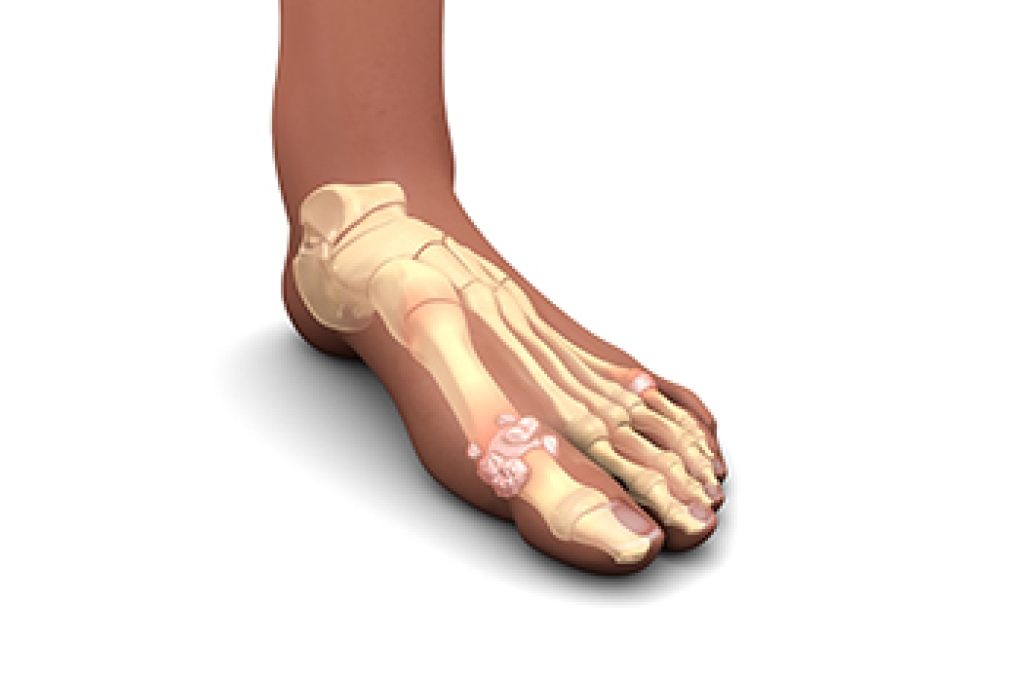
Gout is a joint-related disease that develops when high levels of uric acid build up in the blood and form sharp crystals within a joint. These crystals often collect in the joints of the feet, especially the big toe, leading to sudden inflammation and intense discomfort. Symptoms may include swelling, redness, and severe joint pain that may limit normal movement. Risk factors may include genetic predisposition, gender differences, age-related metabolic changes, and dietary habits that increase uric acid production. Certain foods and beverages may contribute to elevated uric acid levels and trigger painful flare ups. A podiatrist can diagnose gout, help manage symptoms, and provide treatment to protect joint health. If you have symptoms of gout, it is suggested that you promptly consult a podiatrist who can verify the diagnosis and provide relief options.
Gout is a foot condition that requires certain treatment and care. If you are seeking treatment, contact Kristina Robertson, DPM from Nola Sole Podiatry. Our doctors will treat your foot and ankle needs.
What Is Gout?
Gout is a type of arthritis caused by a buildup of uric acid in the bloodstream. It often develops in the foot, especially the big toe area, although it can manifest in other parts of the body as well. Gout can make walking and standing very painful and is especially common in diabetics and the obese.
People typically get gout because of a poor diet. Genetic predisposition is also a factor. The children of parents who have had gout frequently have a chance of developing it themselves.
Gout can easily be identified by redness and inflammation of the big toe and the surrounding areas of the foot. Other symptoms include extreme fatigue, joint pain, and running high fevers. Sometimes corticosteroid drugs can be prescribed to treat gout, but the best way to combat this disease is to get more exercise and eat a better diet.
If you have any questions, please feel free to contact our office located in New Orleans, LA . We offer the newest diagnostic and treatment technologies for all your foot care needs.
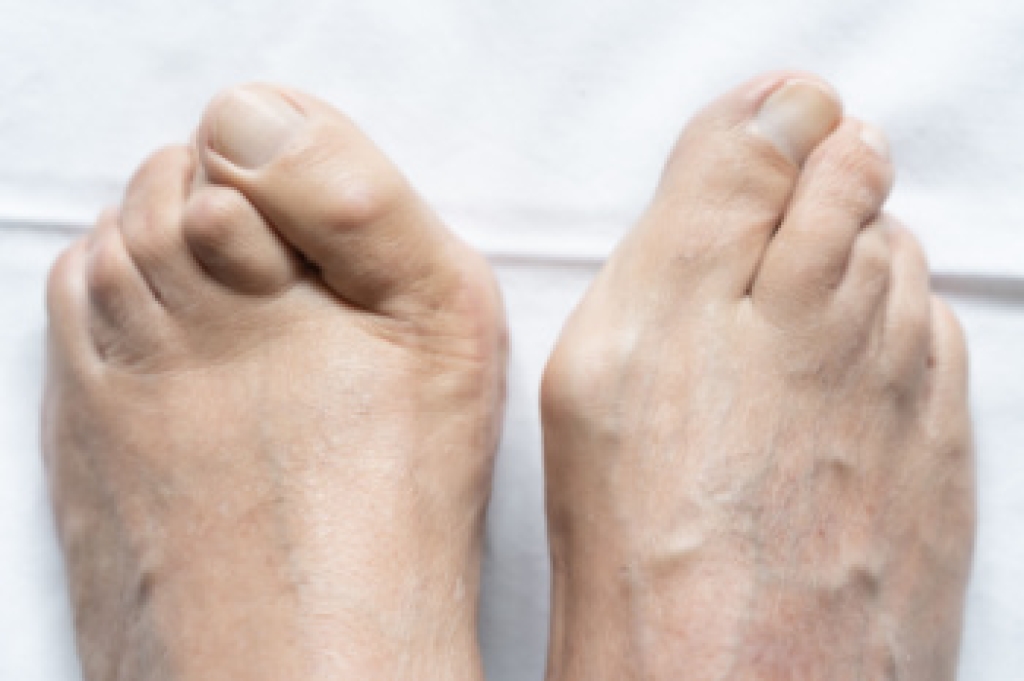
A bump on the big toe can be uncomfortable and may make walking or wearing shoes difficult. Several conditions can cause a bump, including a bone spur, bunion, or gout. Each condition has varied causes, symptoms, and treatment needs. Recognizing causes can help you know when to seek podiatric care and prevent discomfort from becoming worse.
A bone spur is an extra growth of bone that may form around a joint because of arthritis, repeated stress, or a previous injury. It can create a bump, stiffness, or discomfort when shoes press against the area. A bunion develops when the big toe gradually shifts toward the smaller toes, causing the joint at its base to become more prominent. Bunions may cause swelling, redness, and shoe pressure. Gout is inflammatory arthritis caused by uric acid crystals collecting inside a joint. It often causes pain, swelling, and redness around the big toe.
Risk factors depend on the condition. Bunions may be linked to family history, foot structure, and restrictive footwear. Bone spurs may develop with arthritis, repeated stress, or previous joint injuries. Additionally, gout risk can increase with elevated uric acid levels, family history, and dietary factors. A podiatrist can examine your foot, review the symptoms, and order imaging to identify the cause.
Treatment depends on the underlying problem and its effect on comfort and mobility. Options include wearing roomy shoes, protective padding, or custom orthotics. Gout treatment may focus on reducing inflammation and preventing attacks. Persistent bunions or painful bone spurs may sometimes require surgery when conservative care does not provide relief. If you notice a bump on your big toe, it is suggested that you consult a podiatrist for an accurate diagnosis and appropriate treatment solutions.
Toe pain can disrupt your daily activities. If you have any concerns, contact Kristina Robertson, DPM of Nola Sole Podiatry. Our doctors can provide the care you need to keep you pain-free and on your feet.
What Causes Toe Pain?
Most severe toe pain is caused due to a sports injury, trauma from dropping something heavy on the toe, or bumping into something rigid. Other problems can develop over time for various reasons.
Toe pain can be caused by one or more ailments. The most common include:
When to See a Podiatrist
Diagnosis
In many cases the cause of toe pain is obvious, but in others, a podiatrist may want to use more advanced methods to determine the problem. These can range from simple visual inspections and sensation tests to X-rays and MRI scans. Prior medical history, family medical history, and any recent physical traumatic events will all be taken into consideration for a proper diagnosis.
Treatment
Treatments for toe pain and injuries vary and may include shoe inserts, padding, taping, medicines, injections, and in some cases, surgery. If you believe that you have broken a toe, please see a podiatrist as soon as possible.
If you have any questions please contact our office located in New Orleans, LA . We offer the newest diagnostic and treatment technologies for all your foot and ankle needs.

Toe and forefoot fractures can happen after a direct injury, like hitting the foot against a hard object or dropping something on the toes. A fracture is a break or crack in a bone. The forefoot contains five long bones called metatarsals, with the smaller bones that form the toes. Fractures can develop from repeated stress or after a sudden increase in physical activity. Pain and swelling are common signs. Bruising, pain while walking, and a change in the shape of a toe can also occur. A fracture does not always look obvious, so an evaluation is important when foot pain follows an injury or continues with activity.
A podiatrist can examine the foot and ask how the injury happened. The examination focuses on swelling, tenderness, bruising, changes in shape, and other signs of injury. X-rays can help show most toe and forefoot fractures. However, a stress fracture can be difficult to see on an early X-ray because it can begin as a small crack. When a stress fracture is suspected but does not appear on an X-ray, a podiatrist can determine whether additional imaging is appropriate. A diagnosis helps identify the location and type of fracture and guides treatment.
Treatment for toe and forefoot fractures depends on the location, type, and position of the broken bone. Many fractures can heal without surgery. A podiatrist can provide treatment that supports the bone while it heals, which can include a walking boot, cast, or other form of immobilization. Some fractures require the bone to be moved back into proper position, while more serious or unstable fractures can require surgery. Follow-up visits can help a podiatrist check whether the bone is staying aligned and healing properly. Recovery can take several weeks, and some fractures require a longer period of time before normal activity is safe. If you have symptoms of toe and forefoot fractures, it is suggested that you schedule an appointment with a podiatrist for a diagnosis and appropriate treatment.
Broken toes may cause a lot of pain and should be treated as soon as possible. If you have any concerns about your feet, contact Kristina Robertson, DPM from Nola Sole Podiatry. Our doctors will treat your foot and ankle needs.
What Is a Broken Toe?
A broken toe occurs when one or more of the toe bones of the foot are broken after an injury. Injuries such as stubbing your toe or dropping a heavy object on it may cause a toe fracture.
Symptoms of a Broken Toe
Although the injured toe should be monitored daily, it is especially important to have a podiatrist look at your toe if you have severe symptoms. Some of these symptoms include worsening or new pain that is not relieved with medication, sores, redness, or open wounds near the toe.
If you have any questions please feel free to contact our office located in New Orleans, LA . We offer the newest diagnostic tools and technology to treat your foot and ankle needs.
Connect With Us
