Understanding Athlete's Foot and How It Is Treated

Athlete's foot is a fungal skin infection that usually begins between the toes. A fungus is a tiny living organism that grows best in warm, damp environments. The infection can spread to other parts of the foot, and, in some cases, to the toenails. Symptoms include itching, burning, and peeling skin. Some people also develop redness, cracking, or small blisters. The skin can become sore and uncomfortable while walking, especially when the infection worsens. Because several skin conditions have similar symptoms, an accurate diagnosis is important. A podiatrist carefully examines the affected skin and determines whether another condition is causing the problem. In some cases, a small skin sample is examined to confirm the diagnosis and guide treatment.

Athlete's foot spreads through direct contact with the fungus or by touching contaminated surfaces. Places like locker rooms, public showers, and swimming pool areas can increase the chance of exposure. The infection is also more likely to develop when feet remain warm and moist for long periods. Wearing shoes that lack proper support can increase pressure on irritated skin, making walking more uncomfortable, although these shoes do not cause the infection itself. Without proper treatment, athlete's foot can spread to other areas of the foot or lead to bacterial infections. A bacterial infection develops when harmful bacteria enter cracked skin, causing increased redness, swelling, and pain.

A podiatrist provides treatment based on the severity and location of the infection. Care includes confirming the diagnosis, prescribing medications to eliminate the fungus, and monitoring the skin as it heals. If the infection has spread to the toenails or becomes persistent, additional treatment helps prevent further damage. Prompt care also lowers the risk of complications and reduces the chance of the infection returning. Professional podiatric treatment helps restore healthy skin and allows people to return to normal daily activities with greater comfort and confidence. If you have symptoms of athlete's foot, it is suggested that you schedule an appointment with a podiatrist for effective relief and treatment tips, which may include prescribed medication.

Athlete’s foot is an inconvenient condition that can be easily reduced with the proper treatment. If you have any concerns about your feet and ankles, contact Kristina Robertson, DPM from Nola Sole Podiatry.  Our doctors will treat your foot and ankle needs.

Athlete’s Foot: The Sole Story

Athlete's foot, also known as tinea pedis, can be an extremely contagious foot infection. It is commonly contracted in public changing areas and bathrooms, dormitory style living quarters, around locker rooms and public swimming pools, or anywhere your feet often come into contact with other people.

Solutions to Combat Athlete’s Foot

  • Hydrate your feet by using lotion
  • Exfoliate
  • Buff off nails
  • Use of anti-fungal products
  • Examine your feet and visit your doctor if any suspicious blisters or cuts develop

Athlete’s foot can cause many irritating symptoms such as dry and flaking skin, itching, and redness. Some more severe symptoms can include bleeding and cracked skin, intense itching and burning, and even pain when walking. In the worst cases, Athlete’s foot can cause blistering as well. Speak to your podiatrist for a better understanding of the different causes of Athlete’s foot, as well as help in determining which treatment options are best for you.

If you have any questions please feel free to contact our office located in New Orleans, LA . We offer the newest diagnostic and treatment technologies for all your foot and ankle needs.
Read more about Athlete's Foot

Recovery From Hammertoe and Bunion Surgery

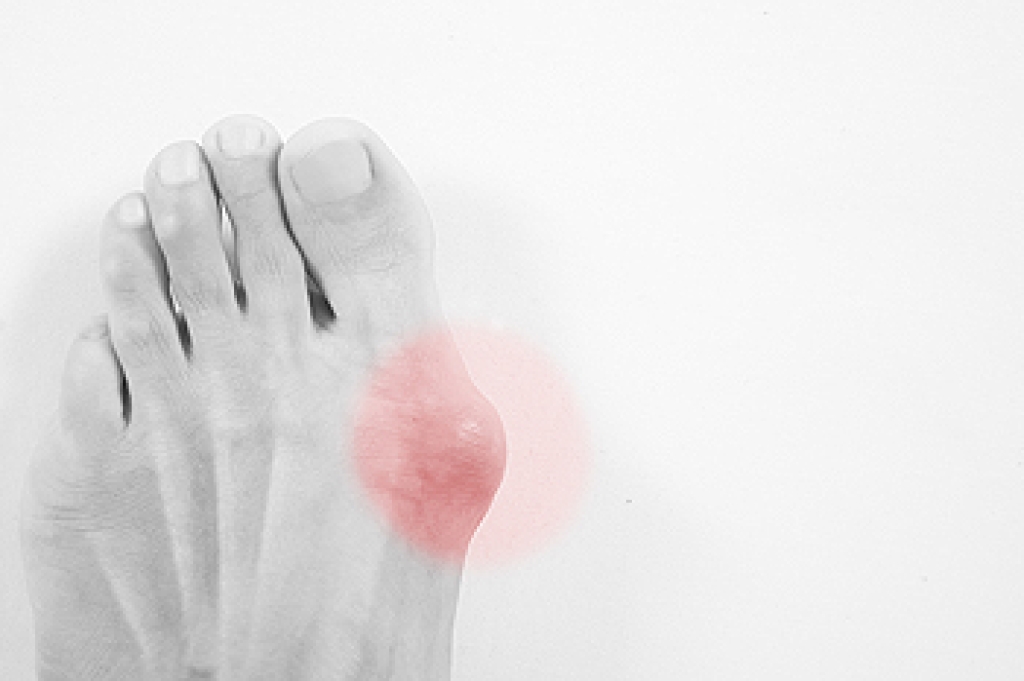
Hammertoe and bunion surgery are common procedures used to correct deformities in the toes and forefoot. A hammertoe occurs when a toe becomes bent at the middle joint. A bunion is a bony prominence that forms at the base of the big toe due to joint misalignment. Surgery is often recommended when pain, stiffness, or difficulty wearing shoes are caused by these deformities. Recovery is an essential part of the process and requires careful attention to protect the surgical site and promote proper healing.

After surgery, symptoms such as swelling, discomfort, and limited mobility are expected during the early stages of recovery. The foot may appear red or tender, and walking may be restricted depending on the procedure performed. Controlling swelling is a key focus, as excessive inflammation can delay healing. Elevating the foot and following post-operative instructions can help manage these symptoms. It is also important to monitor for signs of infection, including increased redness or drainage, and report concerns promptly.


Risk factors that may affect recovery include poor circulation, underlying health conditions, and not following care guidelines. One of the most important steps is keeping the foot clean and dry. Avoiding moisture helps prevent infection and protects surgical dressings. Patients are often advised to avoid getting their feet wet until cleared by their provider. Wearing proper shoes that provide support and limit pressure on the surgical area is also critical. Ill-fitting footwear can disrupt healing and cause unnecessary strain.


Successful recovery depends on a combination of rest, proper hygiene, and gradual return to activity. Following medical guidance ensures that the corrected alignment is maintained and complications are minimized. Rehabilitation may include gentle movement and supportive devices as healing progresses. If you have had hammertoe or bunion surgery, it is suggested you consult with your podiatrist for additional recovery guidance. 

Foot surgery is sometimes necessary to treat a foot ailment. To learn more, contact Kristina Robertson, DPM of Nola Sole Podiatry. Our doctors will assist you with all of your foot and ankle needs.

When Is Surgery Necessary?

Foot and ankle surgery is generally reserved for cases in which less invasive, conservative procedures have failed to alleviate the problem. Some of the cases in which surgery may be necessary include:

  • Removing foot deformities like bunions and bone spurs
  • Severe arthritis that has caused bone issues
  • Cosmetic reconstruction

What Types of Surgery Are There?

The type of surgery you receive will depend on the nature of the problem you have. Some of the possible surgeries include:

  • Bunionectomy for painful bunions
  • Surgical fusion for realignment of bones
  • Neuropathy decompression surgery to treat nerve damage

Benefits of Surgery

Although surgery is usually a last resort, it can provide more complete pain relief compared to non-surgical methods and may allow you to finally resume full activity.

Surgical techniques have also become increasingly sophisticated. Techniques like endoscopic surgery allow for smaller incisions and faster recovery times.

If you have any questions, please feel free to contact our office located in New Orleans, LA . We offer the newest diagnostic and treatment technologies for all your foot care needs.

Read more about Foot and Ankle Surgery

How Diabetic Foot Infections Are Diagnosed

A diabetic foot infection can develop when a wound, crack in the skin, or ulcer allows harmful bacteria to enter deeper tissue. Early diagnosis is important because infection can spread quickly in people with diabetes, especially when nerve damage reduces pain awareness or when poor circulation slows healing. Evaluation begins with a detailed foot examination to look for redness, swelling, warmth, drainage, odor, skin breakdown, or tissue changes. A podiatrist will assess the depth of the wound, surrounding skin condition, circulation, and sensation in the foot. Imaging may be needed if there is concern that deeper structures or bones are involved. In some cases, laboratory testing or wound sampling helps identify the cause and guide treatment. Prompt recognition can help prevent serious complications and improve healing outcomes. If you have diabetes and notice a wound, swelling, or signs of infection in your foot, it is suggested that you visit a podiatrist as soon as possible.

Diabetic foot care is important in preventing foot ailments such as ulcers. If you are suffering from diabetes or have any other concerns about your feet, contact Kristina Robertson, DPM from Nola Sole Podiatry. Our doctors can provide the care you need to keep you pain-free and on your feet.

Diabetic Foot Care

Diabetes affects millions of people every year. The condition can damage blood vessels in many parts of the body, especially the feet. Because of this, taking care of your feet is essential if you have diabetes, and having a podiatrist help monitor your foot health is highly recommended.

The Importance of Caring for Your Feet

  • Routinely inspect your feet for bruises or sores.
  • Wear socks that fit your feet comfortably.
  • Wear comfortable shoes that provide adequate support.

Patients with diabetes should have their doctor monitor their blood levels, as blood sugar levels play such a huge role in diabetic care. Monitoring these levels on a regular basis is highly advised.

It is always best to inform your healthcare professional of any concerns you may have regarding your feet, especially for diabetic patients. Early treatment and routine foot examinations are keys to maintaining proper health, especially because severe complications can arise if proper treatment is not applied.

If you have any questions, please feel free to contact our office located in New Orleans, LA . We offer the newest diagnostic and treatment technologies for all your foot care needs.

Read more about Diabetic Foot Care

Reasons for Ingrown Toenail Surgery

Ingrown toenail surgery is a common procedure used to treat toenails that grow into the surrounding skin and cause pain, swelling, and infection. This problem usually affects the big toe and can make wearing shoes or walking very uncomfortable. Common causes include trimming toenails too short, cutting the corners too deeply, and wearing tight-fitting shoes. Some people have naturally curved toenails that are more likely to grow into the skin. An ingrown toenail can also develop after a toe injury or repeated pressure from sports and other activities, like running. Symptoms include redness, tenderness, and drainage from the skin around the nail. In more serious cases, the area can become infected and produce swelling or pus.

When the condition keeps returning or becomes infected, a podiatrist may recommend surgery to remove part of the nail. In severe cases, the entire nail may need to be removed. Before the procedure begins, the toe is cleaned and numbed with local anesthesia. This helps prevent pain during surgery. The podiatrist then removes the section of nail pressing into the skin. In some cases, the area that causes the nail to regrow is treated so the problem is less likely to return. This procedure is usually completed in a short office visit.

After surgery, the toe is covered with a bandage and should be kept clean and protected. People are often advised to wear loose-fitting shoes and limit pressure on the toe while healing. Mild soreness and redness can occur for a short time after the procedure. Following aftercare instructions carefully can help lower the risk of infection and support proper healing. Ingrown toenail surgery is generally safe and can provide long-term relief from pain and repeated infections. If you are undergoing surgery for an ingrown toenail, it is suggested that you make an appointment with a podiatrist.

Ingrown toenails can become painful if they are not treated properly. For more information about ingrown toenails, contact Kristina Robertson, DPM of Nola Sole Podiatry. Our doctors can provide the care you need to keep you pain-free and on your feet.

Ingrown Toenails

Ingrown toenails occur when a toenail grows sideways into the bed of the nail, causing pain, swelling, and possibly infection.

Causes

  • Bacterial infections
  • Improper nail cutting such as cutting it too short or not straight across
  • Trauma to the toe, such as stubbing, which causes the nail to grow back irregularly
  • Ill-fitting shoes that bunch the toes too close together
  • Genetic predisposition

Prevention

Wearing proper fitting shoes and using proper cutting techniques will also help decrease your risk of developing ingrown toenails.

Treatment

Ingrown toenails are a very treatable foot condition. In minor cases, soaking the affected area in salt or antibacterial soaps will not only help with the ingrown nail itself, but also help prevent any infections from occurring. In more severe cases, surgery is an option. In either case, speaking to your podiatrist about this condition will help you get a better understanding of specific treatment options that are right for you.

If you have any questions, please feel free to contact our office located in New Orleans, LA . We offer the newest diagnostic and treatment technologies for all your foot care needs.

Read more about Ingrown Toenails

Get Professional Care for a Broken Foot or Ankle

Constant care and regular evaluation are important for a foot or ankle fracture. If left untreated, foot or ankle fractures can worsen over time and create more serious problems.

Don't wait to be examined if you believe you've experienced a foot or ankle fracture.

Connect With Us

scroll-to-top